
Red Rocks Agricultural Tour
Live the Country Life In Red Rocks Rwanda
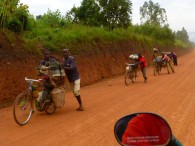
The Red Rocks community never sleeps. There’s always work to be done in Rwanda. Make your Rwanda tour even more memorable by joining us for a sojourn in rural Rwanda with field work, goat milking, grain grinding, farm animal feeding, and all the trimmings. While on this unique tour activity, you can live the country life of the locals by experiencing their culture, learning their history, and developing new skills you can keep for your entire life.
The Farmer’s Life For Me
A farmer’s work is never done. Join a Rwandan family of farmers as they go about their daily chores. Start your mornings in the garden, cutting and gathering grass for the farm animals. Try your hand at milking a goat, then head off to the field, where there’s loads of agricultural work to do, no matter the season. Join your hosts back home and help with chores or stay for a chat with the community guide in the garden. Rural Rwandese communities are warm and welcoming to visitors, and will make you feel right at home on the Red Rocks Agricultural Tour of Rwanda, however long your stay.
Types of Agriculture in Rwanda
Rwanda’s diverse agricultural landscape offers travelers a unique opportunity to explore everything from traditional smallholder farms to scenic tea and coffee plantations. Visitors can engage with local communities, experience authentic rural life, and discover how agriculture shapes the culture and economy of the Land of a Thousand Hills.
Smallholder and Household Farming
In Rwanda, smallholder farming is the dominant form of agriculture, practiced by the vast majority of rural households. These farmers typically work on limited land parcels and focus on producing food to meet family needs rather than for commercial sale. Common crops include maize, Irish potatoes, bananas, and legumes. This type of farming is deeply rooted in traditional practices and serves as the foundation for food availability in many rural communities, despite its vulnerability to climate shifts and soil degradation.
Market-Oriented Crop Production
Beyond subsistence, Rwanda is steadily building a reputation for high-value, market-driven agriculture. Tea, coffee, and horticultural products are grown with export in mind, generating critical income for both farmers and the country. These cash crops are often cultivated on more organized estates or by cooperatives, with support from national programs aiming to increase productivity and quality. Commercial agriculture is vital to Rwanda’s economic development and continues to draw investment in processing and global marketing.
Livestock and Integrated Farming Systems
Animal husbandry is a key complement to crop production across Rwanda’s hilly terrain. Households often rear livestock such as cows, goats, pigs, and poultry, which provide milk, meat, eggs, and organic fertilizer. Integrated farming—where crops and animals are raised in combination—helps diversify income and improves sustainability. National efforts like the One Cow per Family initiative have strengthened rural nutrition and self-sufficiency by expanding access to dairy production for low-income families.
Book Your Agricultural Tour of Rwanda
If you prefer the country life and want to experience this way of life the Rwandese way, reach out to Amahoro Tours to book your Red Rocks Agricultural Tour and experience a truly memorable visit to Africa.